

Charleville Forest Oak Trail
A 3.2-kilometre loop through mature oak woodland with cleared walking paths. Mostly level terrain with excellent shade in summer.
Discover one of Offaly's most rewarding gentle woodland circuits with genuine wildlife viewing opportunities


By
Editorial Team
Written by the Offaly Walks editorial team, focused on practical, honest guidance for local woodland and canal walks.
This isn't your typical park loop. The Deer Park Wildlife Walk is designed specifically for spotting birds, small mammals, and the occasional deer if you're patient and quiet. It's about 4.2 kilometres, takes roughly 75 minutes at a comfortable pace, and the terrain is mostly gentle with well-maintained grass paths.
What makes it different is the layout — the route winds through mixed woodland with strategic clearings that give you proper sightlines into the trees. Early morning visits (before 9 AM) reward you with the most active wildlife. You'll spot robins, wrens, and woodpigeons regularly. On quieter days, fallow deer do appear, though they're skittish and don't stick around long.
The path quality varies slightly through the middle sections, but nothing difficult. There are four rest benches positioned at logical points, plus a small shelter near the halfway mark if the weather turns. Mobile signal is patchy, so don't rely on your phone for navigation — grab a printed map from the entrance.
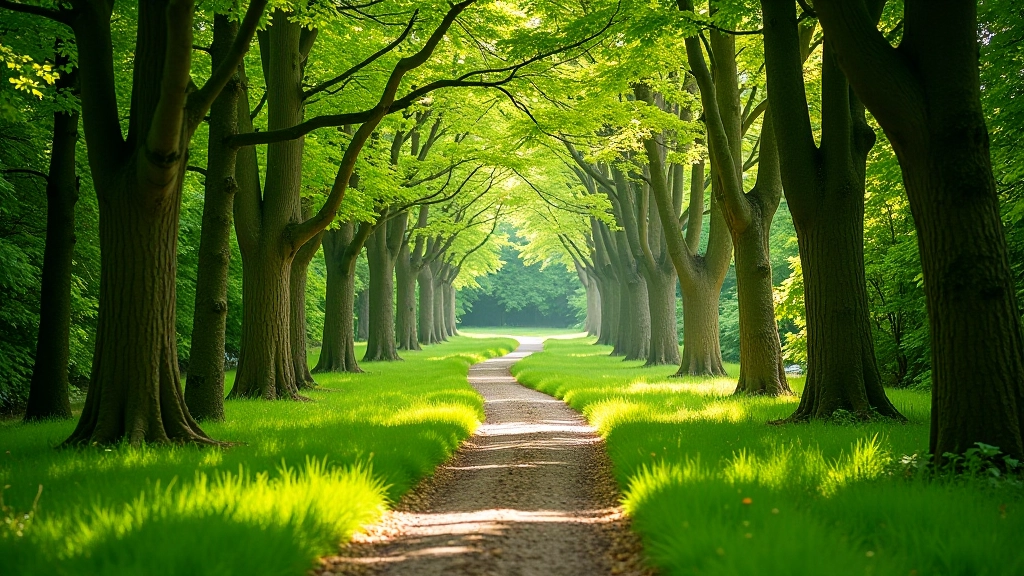
Real details about the route, not just marketing speak
Oak, ash, and hazel dominate the upper sections. The understory is thick with hawthorn and younger growth, creating excellent habitat for ground-nesting birds and small mammals. Spring and early summer are best for birdwatching.
Three main clearings give you open sightlines into the woodland. Sit quietly for 15-20 minutes and you'll likely see movement. Bring binoculars — they genuinely help, especially for bird identification.
The path is marked with regular posts. It's a logical loop with no confusing junctions. You can't really get lost, though it's worth grabbing a map at the entrance anyway.
Four benches placed naturally along the route. A small weatherproof shelter sits roughly halfway around. Toilets are available at the car park, but there's no water supply on the walk itself.
Spring brings migrant birds and new growth. Summer is lush but sometimes crowded. Autumn offers colour and returning migrants. Winter is quieter but offers bare branches for spotting roosting birds.
The path surface is mostly firm grass and compacted earth. A few sections have slight slopes, but nothing steep. Not wheelchair-suitable throughout, though the first 500 metres are accessible.
Visit before 9 AM for the best wildlife activity. Birds are most vocal and active in early morning. Afternoon visits (after 3 PM) are quieter if you prefer solitude, but you'll see less wildlife. Avoid midday when everything's resting.
Binoculars are genuinely useful here — you don't need expensive ones, but 8x42 magnification works well. A printed map (free from the entrance). Waterproof jacket even if the forecast looks good. The ground can be wet even days after rain. Don't bring your dog — it disturbs the wildlife completely.
Don't rush. You'll get far more from the walk if you move slowly and pause regularly in the clearings. 75 minutes is a comfortable pace if you stop for 10-15 minutes at each clearing. Speed-walkers miss the whole point of being here.
The more noise you make, the less you'll see. This sounds obvious but people are often surprised how much difference silence makes. Walk softly, speak in whispers if you're with someone, and put your phone on silent. Genuinely.
Trainers with decent grip work fine for most of the route. The grass can be slippery after rain, especially on slight slopes. Waterproof hiking shoes are better if you're visiting in autumn or winter. Avoid flip-flops and thin-soled shoes.
Free car park holds about 40 vehicles. It fills quickly on weekends, so arrive early. The entrance gate opens at 8 AM and closes at dusk. There's a small kiosk selling maps and a basic field guide to local birds.

Choose activities that match your fitness level, check local conditions before travelling, and speak with your GP if you have health concerns before starting a new activity. The Deer Park Wildlife Walk is a gentle route, but terrain and weather can change. Paths may be muddy after rain, and the route isn't lit after dusk.

The Deer Park hosts year-round residents and seasonal visitors. You'll regularly spot robins, great tits, blue tits, and wrens. Woodpigeons are common, and you'll hear their distinctive call before you see them. Blackbirds forage in the leaf litter, especially in autumn.
Spring brings migrant warblers — chiffchaffs and willow warblers are common in April and May. Nuthatches visit occasionally, though they're not guaranteed. Great spotted woodpeckers drum in spring, and if you're lucky, you might hear a green woodpecker's distinctive laugh.
Don't expect to identify everything you see. Bring a simple field guide or download a bird identification app. The satisfaction comes from noticing movement, hearing calls, and working out what you're looking at — not ticking off a list.
The Deer Park Wildlife Walk isn't long, flashy, or dramatically scenic. What it is, is purposeful. Every element — the mixed woodland, the clearings, the bench placements, the quiet paths — seems designed with wildlife viewing in mind. And it works.
You'll come away having genuinely observed something living. You'll have sat quietly in the forest and noticed movement, heard calls, maybe spotted a deer. That's not nothing. In a world that moves too fast, this walk asks you to slow down, pay attention, and just watch for a while. Most people find that's exactly what they needed.
It's a place to return to across different seasons. Each visit reveals something different. Come back in spring for the migrants, summer for the full canopy, autumn for the colours and movement, winter for the clarity of bare branches. You'll never see it quite the same way twice.
More routes through Offaly's forests and natural spaces
A 3.2-kilometre loop through mature oak woodland with cleared walking paths. Mostly level terrain with excellent shade in summer.
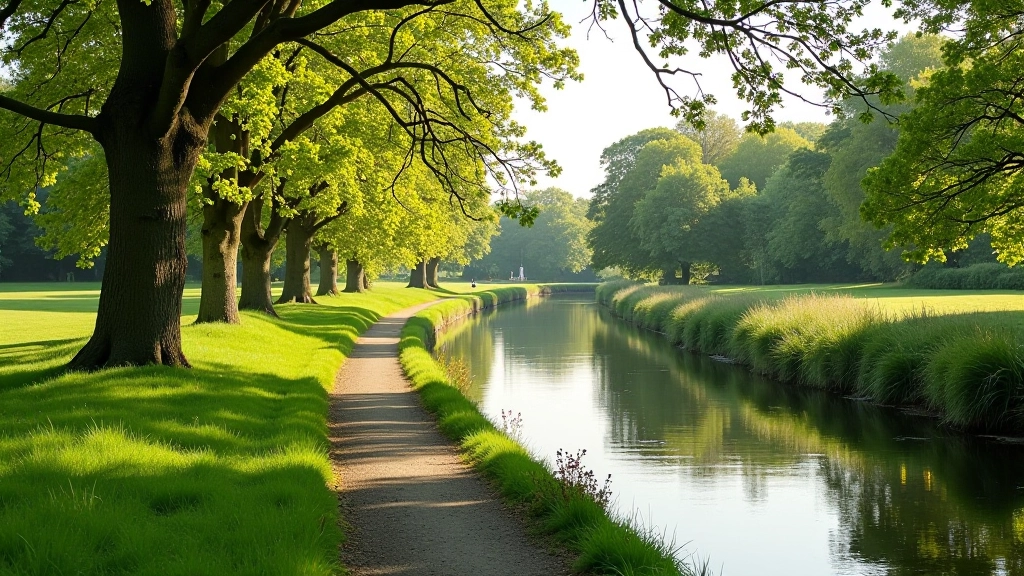
Flat 2.8-kilometre towpath walk along quiet waterside. Benches at intervals, gentle pace suitable for all fitness levels.
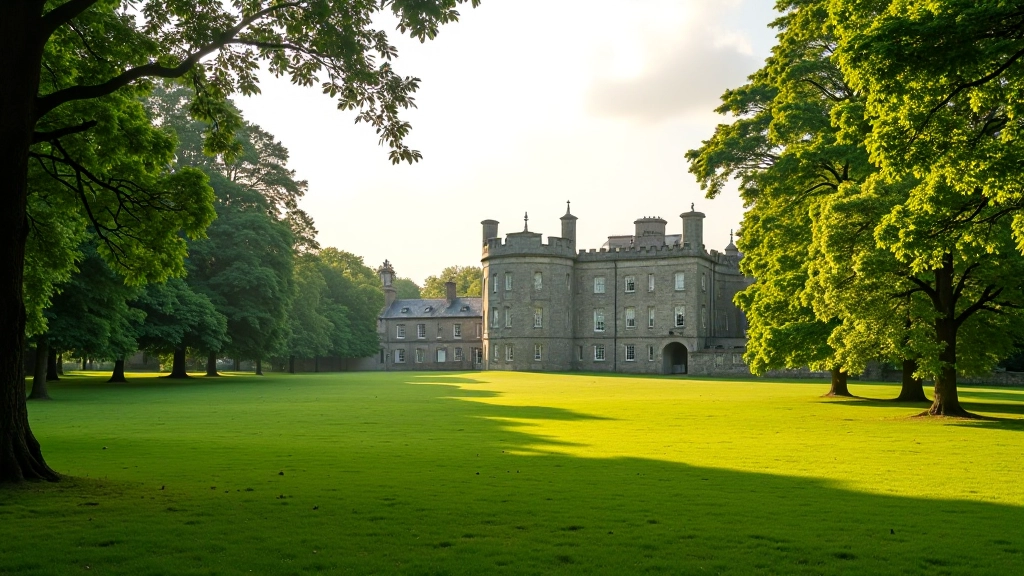
Scenic 3.8-kilometre circuit through historic parkland. Historic interest combined with open views and accessible terrain throughout.